By the Numbers
By the Numbers: What $4.50 Gas Means for Your Driving Costs
EIA data puts regular gasoline at $4.500 per gallon. We run simple commute and annual-driving examples to translate per-gallon prices into a practical weekly and yearly spend.
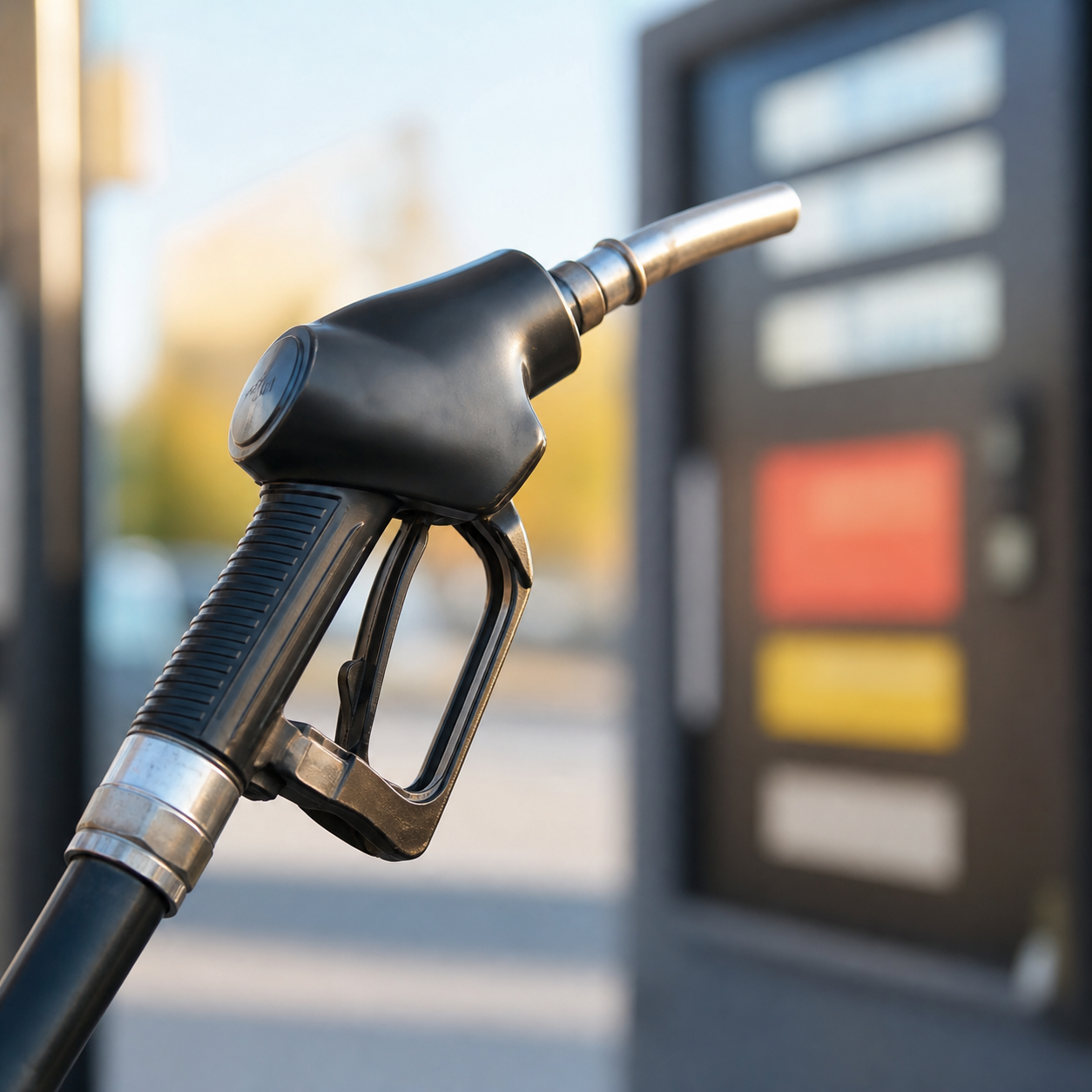
The U.S. Energy Information Administration (EIA) said the national average retail price for regular gasoline rose to $4.500 per gallon on May 11, 2026, which was $0.048 more than the prior week and $1.38 more than a year earlier, in its Weekly Petroleum Status Report.
Those numbers make headlines, but the everyday question is simpler: what does a price like $4.50 a gallon mean for your driving costs?
This article uses worked examples and the fuel cost calculator to translate “per gallon” into a weekly and yearly spend. It is an estimate, not personal financial advice.
The story number
From the EIA release:
- Regular gasoline (U.S. average): $4.500 per gallon (May 11, 2026)
- Weekly change: +$0.048 per gallon
- Year-over-year change: +$1.38 per gallon
Those are national averages. Your local price can be higher or lower, but the calculation pattern is the same.
The number to run
Fuel cost is a three-input calculation:
- How far you drive (miles)
- How efficient your vehicle is (miles per gallon, mpg)
- The price of fuel (dollars per gallon)
Gallons used is:
- gallons = miles ÷ mpg
Fuel spend is:
- spend = gallons × price per gallon
Run the numbers (annual driving example)
Start with a common baseline:
- Miles per year: 12,000
- Fuel economy: 30 mpg
That implies:
- Gallons per year = 12,000 ÷ 30 = 400 gallons
Now apply the EIA price level and the reported weekly and yearly deltas (using $4.452 for “last week” and $3.12 for “a year ago”).
| Scenario | Price per gallon | Gallons per year | Estimated annual fuel spend |
|---|---|---|---|
| EIA week (May 11, 2026) | 4.50 | 400 | 1,800 |
| One week earlier | 4.452 | 400 | 1,781 |
| One year earlier | 3.12 | 400 | 1,248 |
What this means:
- That 4.8-cent weekly move is about $19 per year for this simplified 12,000-mile example.
- The $1.38 year-over-year move is about $552 per year in the same simplified model.
A commute-style example
If you want a more “weekly” framing, try a commute scenario:
- Round-trip commute: 30 miles per day
- Commute days: 5 days per week
- Work weeks: 50 weeks per year
- Fuel economy: 28 mpg
That is 7,500 miles per year of commuting (30 × 5 × 50).
At $4.50 per gallon:
- Gallons per year = 7,500 ÷ 28 ≈ 268 gallons
- Estimated commute fuel spend ≈ 268 × 4.50 ≈ 1,206 per year (about 24 per week)
If your vehicle is less efficient or you drive more, the same price level translates into a higher total.
What the result means
“Per gallon” changes can feel abstract because the change is small on a single fill-up. The calculator makes the effect clearer:
- Small weekly moves become noticeable when you multiply them by every gallon you buy in a year.
- The biggest drivers of cost are miles driven and fuel economy. Price matters, but mpg and mileage decide how many gallons you need.
If you are trying to reduce your fuel spend in real life, the most reliable levers are usually driving fewer miles (when possible) and improving efficiency (vehicle choice, tyres, driving style). This article does not recommend any specific action; it shows how the math works.
Try your own numbers
Use the fuel cost calculator with:
- Your expected mileage (weekly, monthly, or yearly)
- Your mpg (or your vehicle’s listed combined mpg as a starting point)
- Your local fuel price
You may also find this useful for comparisons:
Caveats and source notes
This is a simplified model:
- Real-world fuel economy depends on driving mix, traffic, weather, load, tyre pressure, and maintenance.
- Prices vary by state/region and can change quickly.
- This covers fuel only, not maintenance, insurance, parking, finance, or depreciation.
Source: EIA Weekly Petroleum Status Report (release date May 13, 2026), which reports U.S. average retail regular gasoline and diesel prices collected weekly.
Reader questions
Is mpg the same as what I will get in real driving?
Not always. Manufacturer figures are a useful starting point, but real mpg often differs. If you have an actual average from your own driving, use that.
Why does a small per-gallon change matter?
Because you buy many gallons over time. Even a few cents per gallon adds up across hundreds of gallons per year.
Is this financial advice?
No. It is a worked example based on a public data release and simplified assumptions. Use it for planning and education only.